Babu Umair | Global Marketing Leader

Marketing Manager based in Manchester, working across growth, digital, content, partnerships and live marketing in sport, technology, AI and esports.

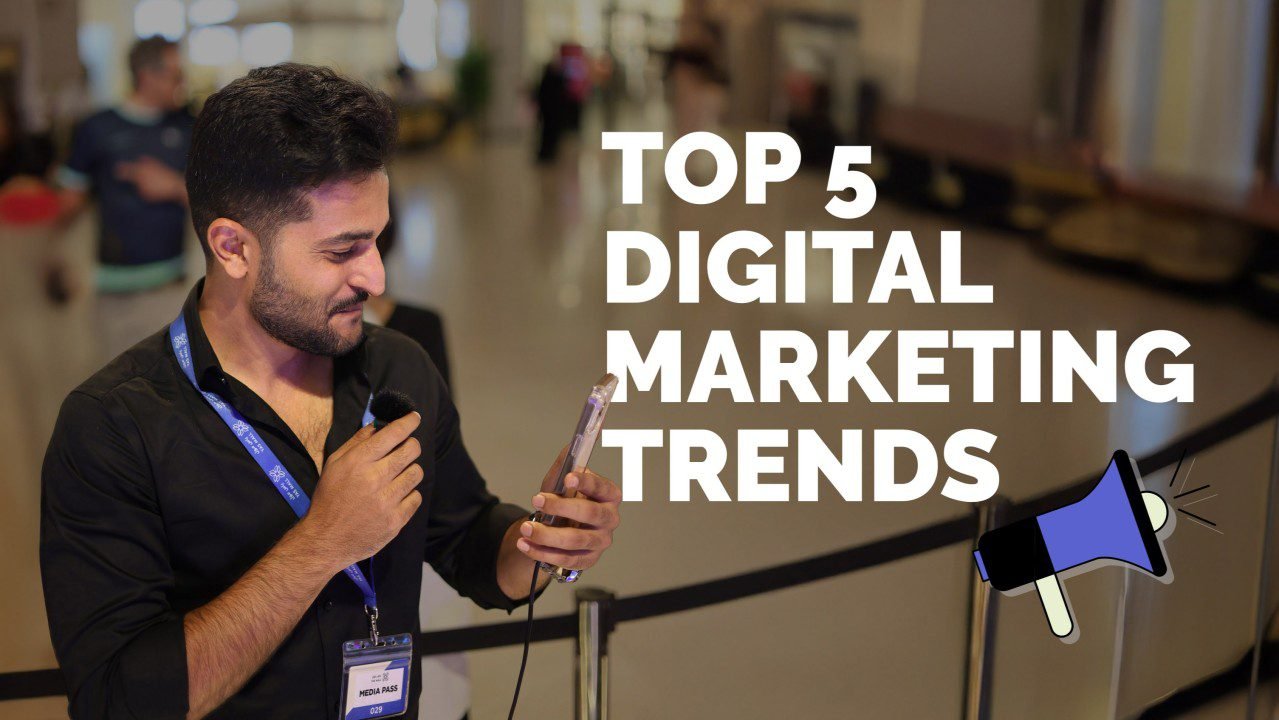
Top 5 Digital Marketing Trends No One’s Talking About (Yet)
I’m Umair, a Digital Marketing Specialist and storyteller. I earned my stripes at The University of Salford and for past 5 years, built my career around content marketing, brand engagement, and influencer strategy. Whether it’s crafting social media campaigns or working with niche creators, I’m always on the lookout for the next big idea to keep brands fresh. In 2025’s digital landscape, subtle changes are quietly reshaping how businesses engage audiences. Rather than the usual buzzword heavy trends, here are five under the radar digital marketing shifts that can give your campaigns an edge. These insights come from recent industry data and hands on experiments (trust me, I’ve tested them myself) exactly the kind of strategies that impress clients and hiring managers alike.

1.Ultra Short Content: A Key Digital Marketing Trends
Forget 30 minute webinars: people’s attention is now very thin. TikTok and Instagram Reels have changed audience behaviour. People now expect value within seconds. Today, smart marketers are producing 5–15 second clips. They also use animated micro content to capture attention quickly.The numerical results are dramatic: one prediction estimates that short form video will account for nearly 90% of internet traffic by 2025 (vidico.com). In my campaigns, I replaced a 3-minute promo with a 10-second reel. As a result, engagement doubled.

Why Short-Form Video Works
Pro Tip:Directly grab attention in the 1st 2 seconds with a bold visual or question. Videos shorter than 90 seconds retain an average of 53% of viewers (vidico.com) and some 72% of consumers would rather learn about a product or service by way of video vidico compared to text (vidico.com). Inshort, if your brand doesn’t make snackable videos and micro posts now, you’ll be left out by most of your audience.

Actionable advice: Begin each short clip with your main message visible on the screen. There are tools you can use to make these short bites, like TikTok’s built in editor, Adobe Premiere Rush, Instagram Edits, or Lumen5. Always incorporate captions or text overlays (a lot of people watch on mu2. Personal Branding: One of the Digital Marketing Trends.
2. Personal Branding: One of the Digital Marketing Trends
In 2025, expect human stories to outsell polished brand pitches. Data shows “people trust people more than companies” (tapclicks.com) because a familiar founder or staff member can convert better than a faceless corporate account. referral, reach For instance, employee-shared content can reach more people than brand posts. As a result, employee advocacy can increase organic visibility. (linkedin.com). In my consulting practice, with some clients, we empowered staff to post behind the scenes updates on Linkedin and saw engagement skyrocket.

The lessons: Give your team (or yourself) the tools to create a personal brand. Share stories, lessons learned, and real case studies along with product information. Gradually, a true voice establishes authority and credibility in ways that marketing slogans never could.
Tips to Build Personal Branding
Tips to leverage on this trend: Encourage employees to turn on post notifications and share company news with a personal comment. Use social schedulers (Buffer, Hootsuite) to keep personal profiles active. Craft content for your personal LinkedIn/X that highlights human elements (e.g. “lessons from a client win”) instead of pure sales copy.
3. Voice Search: An Emerging Digital Marketing Trends
Search engines are now not the only ones affected by voice assistants (Siri, Alexa, Google). By end of 2025, over 20.5% of people in the world will be using voice search; this has been backed up by 8.4 billion devices that have the ability of voice search (yes, quite more devices than the people!) (demandsage.com). A huge share of these queries are local: roughly 76% of voice searches include “near me” or local intent (demandsage.com). Content should answer questions in natural language. It should also match spoken search queries. This is in reality, using conversational keywords, including FAQs, and writing in a Q&A arrangement. In one of the projects I was leading, adding an FAQ page focused on voice search on the website rather significantly increased organic traffic from smart speakers.
How to Optimise for Voice Search
What to do: Use tools such as the Keyword Planner of Google or AnswerThePublic to find question like queries. Create an FAQ or Q&A section within your website that has schema markup, allowing voice assistants to pick up answers directly. Then there are those audio platforms: brief podcast episodes or narrated blogs can catch busy listeners. For instance, create a 5–10 minute “product explainer” audio clip or use Clubhouse/Social Audio to reach hands free audiences.
4. Conversational AI & Chatbot Marketing
Chatbots and conversational marketing are moving closer to being actual necessities. AI chatbots today do things like FAQs, qualify leads, and close sales and stats back it up. For example, recent surveys show that 84% of companies think chatbots will gain more traction in communicating with customers in the near future (dashly.io). In my experience deploying chatbots, they can easily triple conversion rates compared to static web forms (dashly.io). Imagine an automated bot that greets visitors and asks qualifying questions. It can also suggest products and book demos. Therefore, businesses can handle more enquiries with less manual work.

Quick Wins for Chatbot Marketing
Quick wins: Start small by setting up a chatbot integrated into your homepage or Facebook page, using tools like ManyChat, Chatfuel, or Intercom. Program it to answer basic queries or offer a special deal: “Can I help you find a product?” Think of utilizing advanced AI (even a basic integration with ChatGPT) for free-form questions. A little pop-up with pleasant wording, “Hey there, need a little help?” could grab some leads that’ll otherwise just bounce.
5.First-Party Data: A Growing Digital Marketing Trends
First party data, they say, is the short term goldmine you want to be investing in these days, as cookies crumble into irrelevance. Leading the shift are the big brands: between McDonald’s loyalty program (170M+ members) and Disney’s unified ID, it’s become evident that owning customer data pays.

The practice focuses on direct relationships. For example, businesses can use email newsletters, membership programs, and user communities. I see clients trying to move out of purchasing third party lead lists and instead develop rich in house data, for example, exclusive webinars, gated guides, and online forums. The insights gained here will trump anything ad targeting can provide. eMarketer says companies engaging with their first-party data (like owning subscribers or loyalty members) see campaign performance 3-4 times better than others that don’t (emarketer.com).

Steps to Build First-Party Data
Steps to put this into place: Always capture emails or contact info whenever possible (e.g. newsletter sign-ups, free tools, contests). Use your CRM (Mailchimp, HubSpot, ActiveCampaign) to personalise follow ups. Build community spaces, Slack/Discord groups or private social media circles, where customers can interact and you can gather feedback. Companies that invest in their own audiences can strengthen their future marketing (emarketer.com). Meanwhile, businesses relying on third-party data may face greater challenges.

Each of these trends carries real impact. By embracing micro content, your brand can capture shorter attention spans. Personal branding can make your team the megaphone for your message.
Meanwhile, voice search and chatbots help you meet audiences where they search and interact. Building first-party audiences can also future-proof your marketing against privacy changes.
As someone who lives and breathes marketing, I keep one eye on these undervalued tactics. Forward thinking companies already experimenting with them are the ones winning big contracts and ROI. When you frame campaigns around these five insights (instead of just the usual buzzwords), you’ll not only impress your clients or boss, but also get ahead of competitors who wait for trends to become obvious. Stay curious, test these ideas, and you’ll be ready to make 2025 a breakout year for your digital marketing efforts.
Sources: Current industry research and case vidico.com. tapclicks.com, linkedin.com, demandsage.com, dashly.io, emarketer.com. Each insight above is backed by real data or pilot campaigns to ensure it works for forward-thinking marketers.
Hi, this is a comment.
To get started with moderating, editing, and deleting comments, please visit the Comments screen in the dashboard.
Commenter avatars come from Gravatar.